Article
The "High-Torque" Secret: Why Low Cadence Intervals are the New VO2 Max King
![[HERO] The](https://cdn.marblism.com/sdNinrk8xWA.webp)
Forget everything you’ve been told about "spinning to win." For decades, the cycling world has been obsessed with high cadences. We were told that if you aren’t spinning at 95+ RPM, you’re just a "masher" destined for blown-out knees and premature fatigue. But as we roll through 2026, the scientific consensus has undergone a massive gear shift.
The secret to shattering your aerobic ceiling isn’t found in a frantic, high-speed spin. It’s found in the "grind." Recent research: and the data we're seeing across thousands of rides in the VeloWorkout ecosystem: suggests that low-cadence, high-torque intervals are the secret weapon for boosting your VO2 max.
If you’re looking to level up your indoor cycling workouts, it’s time to stop fearing the big ring. Let’s dive into why "Heavy Torque" is the new king of the interval world and how you can use a structured cycling training plan to harness it.
The 2026 Shift: Why Torque Trumps RPM
In the old days (way back in 2024), VO2 max training was almost exclusively about "cardiovascular strain." The goal was to get your heart rate as high as possible and keep it there. While that still matters, 2026 research has highlighted a critical missing piece: Peripheral Adaptation.
VO2 max isn’t just about how much oxygen your heart can pump; it’s about how much oxygen your muscles can actually consume. High-torque intervals: typically performed at 50 to 70 RPM: force your body to recruit more Type II (fast-twitch) muscle fibers. These fibers are usually "lazy" during steady-state endurance rides. By forcing them to work through high-resistance grinds, you create a massive metabolic demand that screams at your aerobic system to adapt.
Essentially, you are increasing the "size of the engine" by making more of your muscle mass aerobically active. When you return to a normal cadence, you suddenly have a larger pool of efficient muscle fibers to draw from.
Understanding the "High-Torque" Concept
What exactly is torque? In simple terms, it’s the rotational force you apply to the pedals. Power is a product of Torque x Cadence. You can generate 300 watts by spinning fast with light pressure (High Cadence), or by pushing incredibly hard with slow revolutions (High Torque).
When you drop your cadence to 60 RPM while maintaining high power, several things happen:
- Increased Muscular Recruitment: Your brain has to recruit more motor units to overcome the resistance of each pedal stroke.
- Greater Oxygen Extraction: Because the muscle contractions are longer and more forceful, they create a momentary restriction in blood flow followed by a surge of oxygen demand.
- Improved Neuromuscular Efficiency: You learn to apply force through the entire 360-degree pedal stroke, rather than just "mashing" the downstroke.
This combination is a recipe for vo2 max cycling intervals that actually move the needle.
The Protocol: How to Execute the "Grind"
You can’t just go out and pedal slowly for three hours and expect a miracle. To trigger VO2 max gains, these need to be structured cycling training plan efforts.
The "Sweet Spot" for these intervals is usually between 105% and 120% of your FTP, but with the cadence capped strictly between 50-65 RPM.
The VeloWorkout "Torque Destroyer" Session:
- Warm-up: 15 minutes of progressive ramping.
- The Set: 5 x 4-minute intervals at 110% FTP.
- The Catch: Keep your cadence between 50-60 RPM. Do not let it drift higher.
- Recovery: 4 minutes of very light spinning (90+ RPM) between sets to flush the legs.
Execute this properly, and your legs will feel like lead, but your heart will be hammering like a drum. That’s the "High-Torque" magic at work. You can find similar high-intensity sessions in our VeloWorkout Library, such as the Zone 2 Torque 60 for a more moderate introduction or the Hard Starts 5x4 for maximal gains.
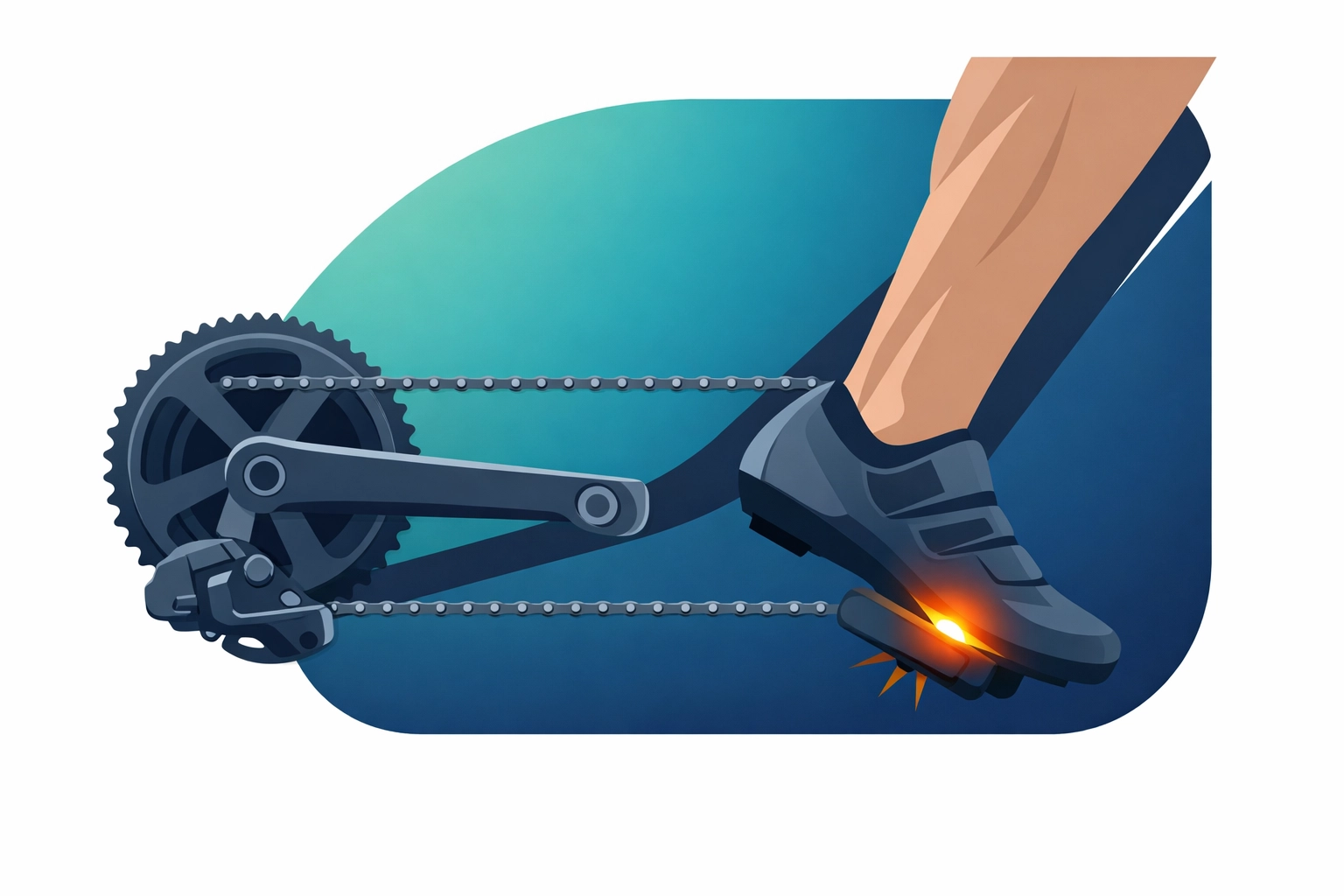
Precision Control with VeloWorkout
The biggest challenge with low-cadence work is maintaining the exact power-to-cadence ratio. If you’re using a standard "dumb" trainer, it’s easy to let your cadence creep up as the fatigue sets in.
This is where VeloWorkout’s live control and workout builder shine. When you’re in the middle of a "High-Torque" session, our interface gives you the real-time feedback you need to stay in the grind.
Craft your own "Grind" session: Use our workout builder to set specific cadence targets for your high-intensity blocks. By defining these parameters upfront, you take the guesswork out of the session. Tackle the resistance: If you find the resistance is too light or too heavy during the interval, use the live controls to nudge your intensity. No need to stop the workout; just adjust and keep pushing.
Why This Beats Traditional High-Cadence VO2 Max Work
Traditional indoor cycling workouts focus on high-cadence VO2 efforts because they are "easier" on the legs in the short term. They shift the stress almost entirely to your lungs. While that’s great for cardiovascular health, it often leaves your muscular endurance behind.
High-torque intervals bridge the gap. They build:
- Climbing Power: Ever get stuck on a 15% grade where you simply can’t spin fast? High-torque training makes those moments feel like a breeze.
- Late-Race Punch: When everyone else’s legs are toasted, your high-torque adaptations allow you to put down power even when your "rev-limiter" is flagging.
- Time Efficiency: Because these intervals are so taxing, you don’t need to spend 20 hours a week in the saddle. They are the ultimate "bang for your buck" workout for the time-crunched athlete.
Track Your Evolution with the Analyzer
You shouldn’t have to wonder if your training is working. After you finish one of these leg-snapping sessions, head over to the VeloWorkout Analyzer.
Look for the Torque/Cadence distribution charts. Over a 6-week block of high-torque training, you should see your ability to maintain higher power at lower cadences improve significantly. More importantly, watch your AI FTP Prediction and VO2 max estimates. When you increase your muscular efficiency through torque work, your FTP usually follows suit with a significant jump.
Check your workout history to compare your "Grind" sessions from last month to today. Are you pushing more watts at the same low RPM? If so, congratulations: you’re building a bigger engine.
Common Pitfalls to Avoid
Before you go out and try to break your cranks, remember that high-torque training is a tool, not a lifestyle.
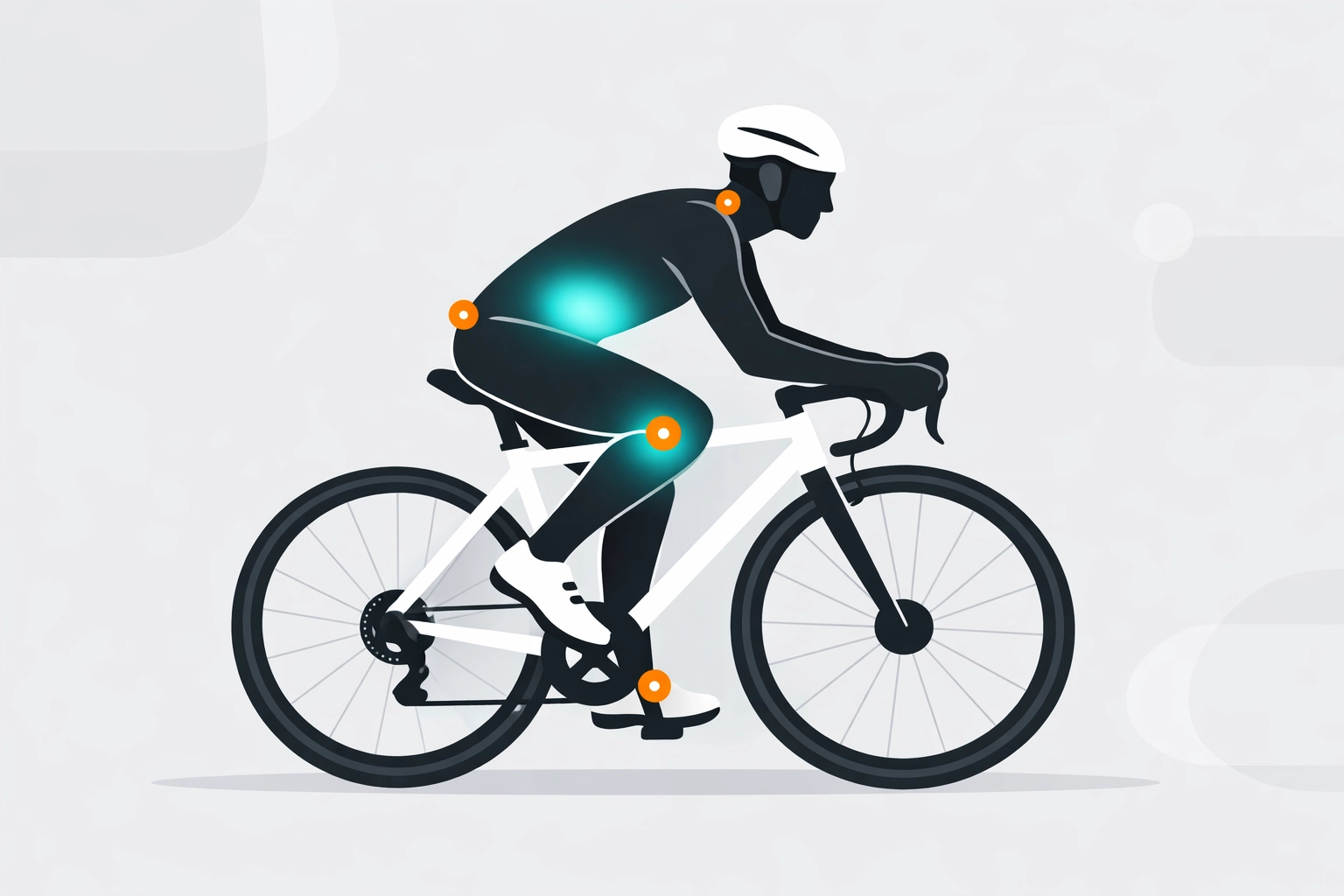
- Mind Your Knees: If you have a history of patellar tendonitis or knee pain, ease into this. Start with 70 RPM and slowly work your way down to 60 as your joints adapt.
- Core Stability: Pushing high torque requires a stable platform. If your hips are rocking side to side, you aren't training your legs; you're just begging for a lower back injury. Keep your core locked.
- Don't Overdo It: These sessions are high-intensity. One or two "High-Torque" sessions per week is plenty. Pair them with Endurance Rides to ensure you aren't digging a hole of chronic fatigue.
Final Thoughts: Embrace the Grind
The data is clear: the "High-Torque" secret is out. If you want to raise your VO2 max ceiling in 2026, you have to be willing to slow down your legs to speed up your progress. It’s not about how fast you can spin; it’s about how much force you can move.
Stop spinning your wheels and start building real, sustainable power. Whether you’re preparing for a mountainous gran fondo or just want to drop your friends on the local group ride, the "grind" is your path to glory.
Ready to start? Head over to the VeloWorkout Library and look for our "High-Torque" tagged sessions. Or better yet, build your own masterwork and show us what you're made of.
Discover your new ceiling. Tackle the torque. Become inevitable.

Want to see how your torque gains compare to the pros? Check out your profile and start tracking your metrics today. Not a member yet? Learn more about the VeloWorkout mission.
Turn your training plan into actual progress
Build workouts, execute with smart trainer support, and track performance with data that matters.
Open VeloWorkout